Men’s Health Educator Reveals a Practical Four-Part System That Helps Men With Performance Anxiety Rebuild Confidence, Support Sexual Wellness, and Create Stronger Intimacy
You can be confident everywhere else... and still feel your chest tighten when intimacy is about to begin.
You may be successful at work. You may be the person everybody calls when something goes wrong.
But privately, one thought keeps returning:
“What if it happens again?”
You begin checking yourself before anything has even started. You monitor every sensation. You wonder whether your partner can see the worry on your face.
Instead of being present, your mind starts running a silent examination.
“Am I ready? Will I perform? Will I disappoint her? What will she think of me?”
The more you try to force confidence, the further away it seems to move.
Maybe you have avoided intimacy, pretended to be tired, stayed up late with your phone, or created distance because distance feels safer than possible embarrassment.
Maybe you bought products you did not understand or swallowed mixtures because someone said, “This one works fast.”
And when the promised result did not come, the disappointment felt heavier than the money you spent.
This is not only about performance. It can affect how you see yourself, how you communicate, and how safe you feel inside your relationship.
Drop everything you are doing now and listen to every word I’m about to say.
Because I’m about to share with you a simple four-part system that changed how I understood confidence, anxiety, sexual wellness, and intimacy.
This is not a miracle mixture. It is not a secret leaf hidden in one village. It is not another instant-result trick dressed in scientific language.
The principles have been used in men’s health education for decades: understand the mind-body response, support your general health, communicate openly, and know when to seek qualified care.
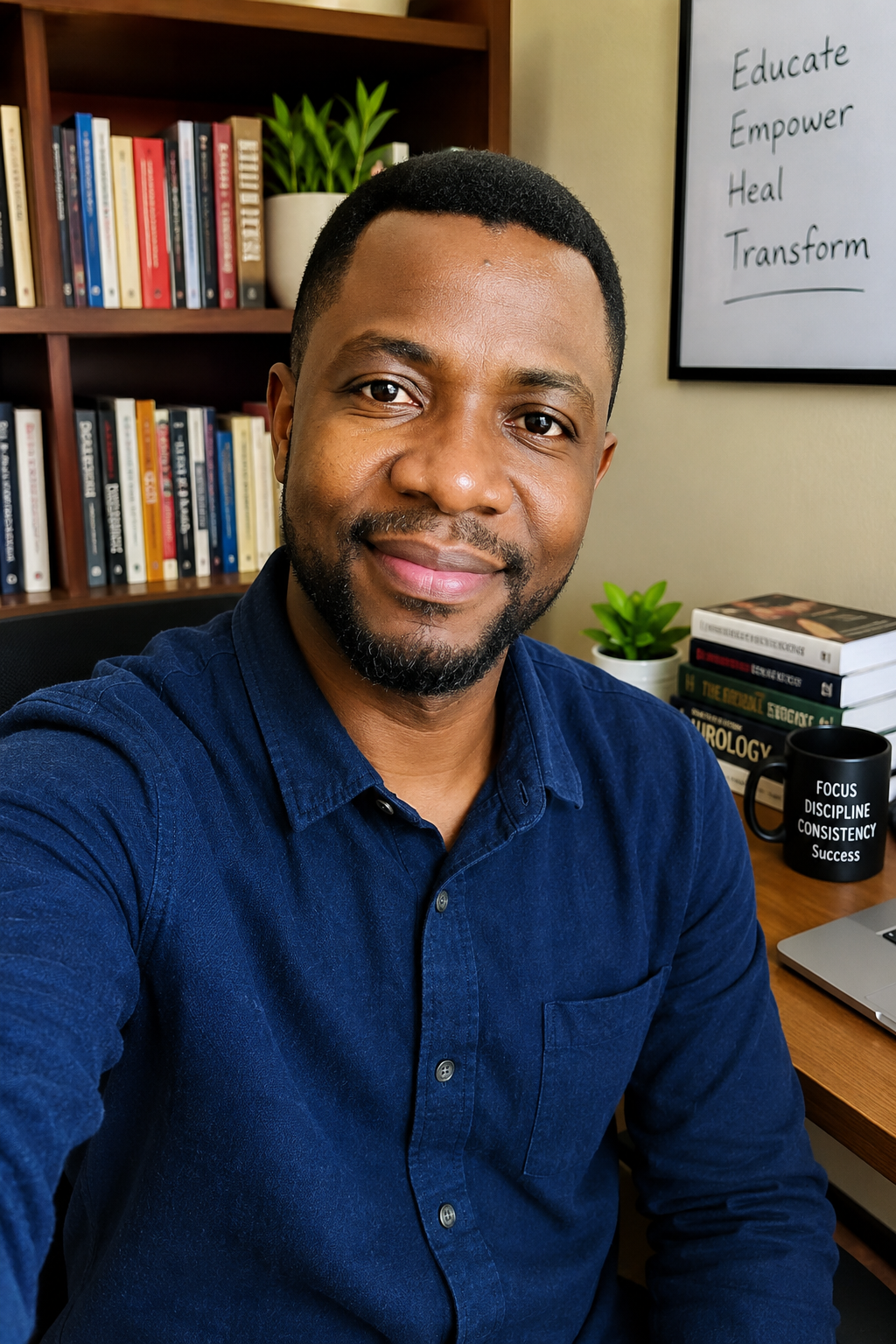
Hi, my name is Daniel, and I work as a healthcare educator.
First thing you should know about me is that I’m not your doctor. I’m an educator who spent years listening to men describe the same fear in different words... and I learned how quickly anxiety can interfere with closeness.
The Conversation I Was Too Ashamed to Have
My turning point began after a difficult season at work.
I had taken on more responsibility, slept less, exercised irregularly, and carried tension everywhere. My body was tired, but my mind refused to slow down.
At first, I dismissed what happened as a bad night.
“You are stressed. It is nothing,” I told myself.
But once fear entered the picture, every intimate moment began to feel like a test.
I was no longer responding naturally. I was watching myself respond.
I noticed every pause, every sensation, every expression on my partner’s face. I interpreted ordinary moments as signs of disappointment.
She would reach for me, and instead of warmth, I felt pressure.
“What if I fail again?”
The thought arrived first. Then my breathing changed. My shoulders tightened. My attention moved away from her and toward the fear inside my body.
Soon, the anxiety followed me outside the bedroom.
I became quieter. I avoided affection because I worried it might lead somewhere I did not feel ready to go. I worked later than necessary and used exhaustion as a shield.
My partner noticed.
At first she asked gently, “Are you okay?”
I said yes.
Then she asked, “Did I do something?”
I said no.
Both answers were technically true, but neither was honest enough.
The emotional cost was not one dramatic explosion. It was a collection of small distances.
A hand not held. A conversation postponed. A kiss cut short. A night spent pretending to be asleep.
My confidence began to shrink beyond intimacy. I questioned whether I was still attractive, capable, or fully myself.
The breaking point came on a Friday night.
We had planned to spend quiet time together. The evening started well, but once again I became tense and withdrawn.
She sat at the edge of the bed and asked, “Why do I feel like you are running away from me?”
I did not know how to answer.
Then she said something that stayed with me:
“I am not asking you to prove anything. I am asking you to let me understand what is happening.”
That sentence broke through the wall I had built.
I admitted that I was afraid. I admitted that one difficult experience had become a story in my head, and the story was now controlling the next experience.
The next morning, I called an older family friend named Uncle Tunde, a retired pharmacist who had known me for years.
I expected jokes. Instead, he listened quietly.
Then he said, “Daniel, shame grows in darkness. Stop treating your body like an enemy, and speak to someone who understands men’s health properly.”
I never forgot that.
Still, before I found the right guidance, I tried several things.
I bought over-the-counter supplements. The labels promised energy and confidence, but I did not know whether the ingredients were appropriate or reliable. The underlying fear remained.
I tried herbal mixtures recommended by friends. One friend said, “Take this before night. You go surprise yourself.” But certainty is not evidence. I did not know the ingredients, dose, or risks.
I followed social-media advice. One creator blamed testosterone. Another blamed blocked energy. Another promised one breathing trick would fix every man. The more videos I watched, the more confused I became.
I used alcohol to relax. It reduced nervousness briefly, but sometimes made physical response and communication worse.
I ordered an expensive online product. The advertisement was polished. The safety information was not.
Then I tried avoidance. It gave me relief for one evening and more anxiety for the next.
My chance encounter with Dr. Samuel Adeyemi happened at a men’s health seminar at a community wellness centre in Lagos.
He was sixty-eight, retired from urology practice, and still teaching because, as he put it, “Too many men suffer from treatable problems in silence.”
After the seminar, I waited until most people had left.
I approached him indirectly.
“Doctor, suppose someone is healthy but sometimes anxiety affects performance...”
He smiled. “Suppose that someone is standing in front of me?”
I laughed despite myself. That small moment made the conversation easier.
I told him about the pressure, products, alcohol, and distance in my relationship.
He did not shame me. He did not offer a magic capsule.
He said:
“Forget the miracle language. Confidence is rebuilt. Calm the mind. Support the body with healthy habits. Communicate with your partner. And when symptoms persist, get properly assessed. Those four steps will take you further than random mixtures and silent panic.”
He explained that anxiety activates the stress response. Intimacy needs attention and safety, but fear pulls attention toward threat and self-monitoring.
He also warned me not to assume everything was psychological.
“A man can have anxiety and a physical health issue at the same time,” he said. “Education and medical assessment must work together.”
The system sounded too simple.
I did not believe it at first because it was stupidly simple compared with the dramatic promises I had been chasing.
No secret ingredient. No overnight transformation. No instruction to hide everything from my partner.
I began with calming the anxiety loop.
I practised slow breathing before stressful moments, not as a performance trick, but to teach my body that closeness was not an emergency.
I stopped checking myself every few seconds.
I improved my sleep routine, reduced alcohol, returned to walking and strength training, and paid more attention to blood pressure, meals, and energy.
Most importantly, I spoke openly with my partner.
I told her, “I need us to remove the idea that every intimate moment must become a performance test.”
She agreed.
The first few days were not dramatic.
I still had anxious thoughts. On day four, I caught myself thinking, “Maybe I need something stronger.”
But I remembered Dr. Adeyemi’s warning: “Do not measure recovery every hour. Build conditions that support recovery.”
By the end of the first week, the biggest change was mental.
I no longer felt trapped inside a countdown.
I could sit beside my partner, talk, laugh, and enjoy touch without immediately asking where the moment was going.
Then, around the second week, something shifted.
One evening, we were talking with the lights low and no pressure hanging over us. I noticed my breathing was steady.
My shoulders were loose.
My mind was quiet enough to notice her, not just myself.
That was the breakthrough.
Not a thunderclap. Not a movie scene.
It was the feeling of returning to my own body.
The real test came when my partner noticed before I said anything.
She looked at me and smiled.
“I can see the difference. You’re more relaxed, more confident, and it feels like we’re truly connecting again.”
I asked, “Is it that obvious?”
She laughed. “The tension was obvious too.”
Later, I shared the framework carefully in educational settings, always reminding men that persistent symptoms deserve professional assessment.
A man I will call Chinedu said he had spent months avoiding his fiancée. After he began communicating openly, he said, “The pressure reduced because I was no longer fighting alone.”
Kwame in Accra realised heavy drinking and poor sleep were affecting more than energy. He spoke with a doctor, improved his routine, and wrote, “I thought I needed one powerful product. What I needed was a proper plan.”
Michael in Manchester learned during a medical check that his blood pressure needed attention. His story reminded me that sexual symptoms can sometimes point toward broader health issues.
The lesson was never that one guide cures every man.
The lesson was that shame, random products, and silence are poor strategies.
Clear education, healthier habits, better communication, and appropriate professional care give a man a safer path forward.
After answering the same questions repeatedly, I realised many men needed a private resource they could read at their own pace.
So I organised the core lessons into a simple guide.
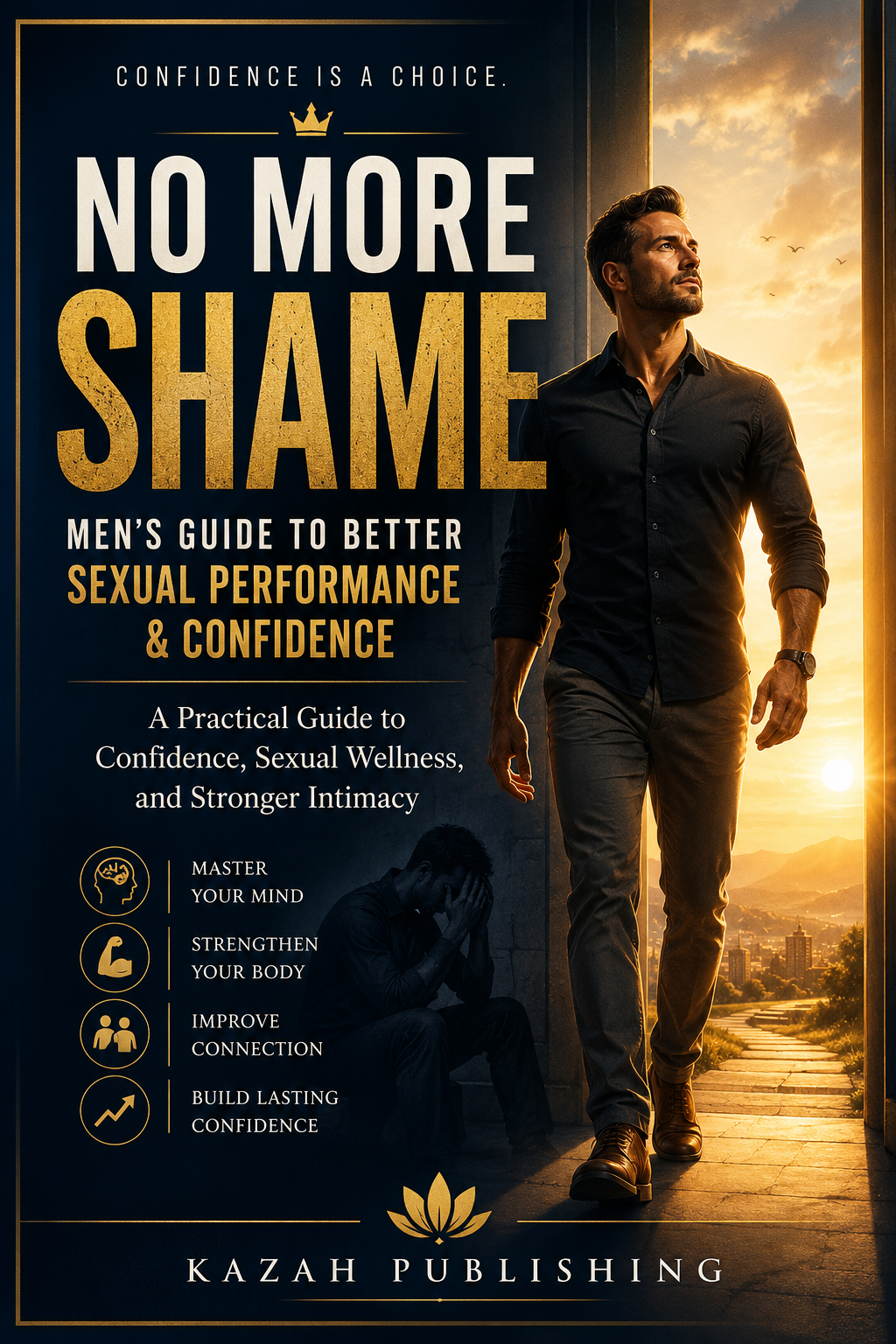
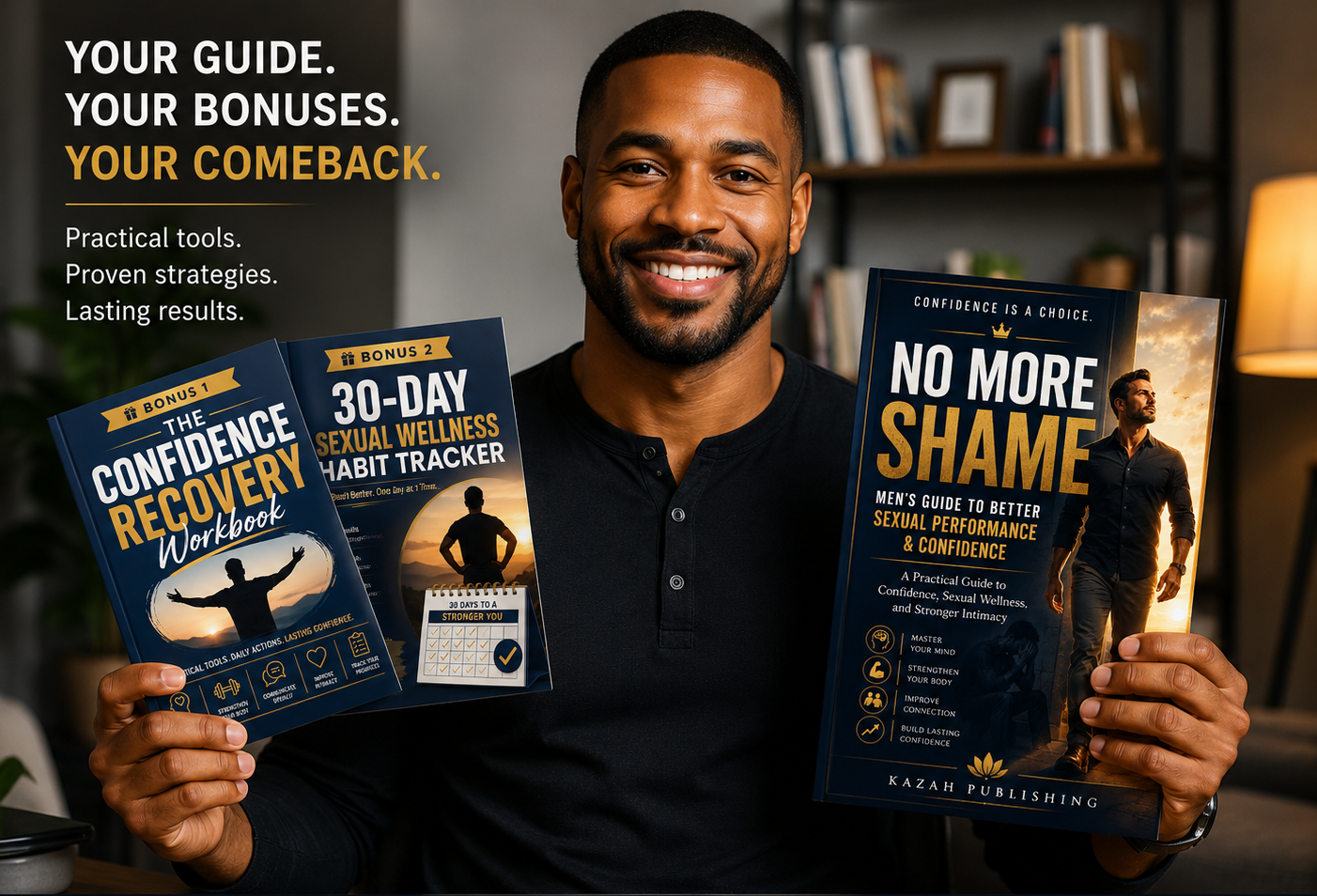
I put everything — the four-part framework, anxiety-calming exercises, healthy-habit guidance, communication prompts, warning signs, and clear next steps — inside one simple guide.
Introducing...
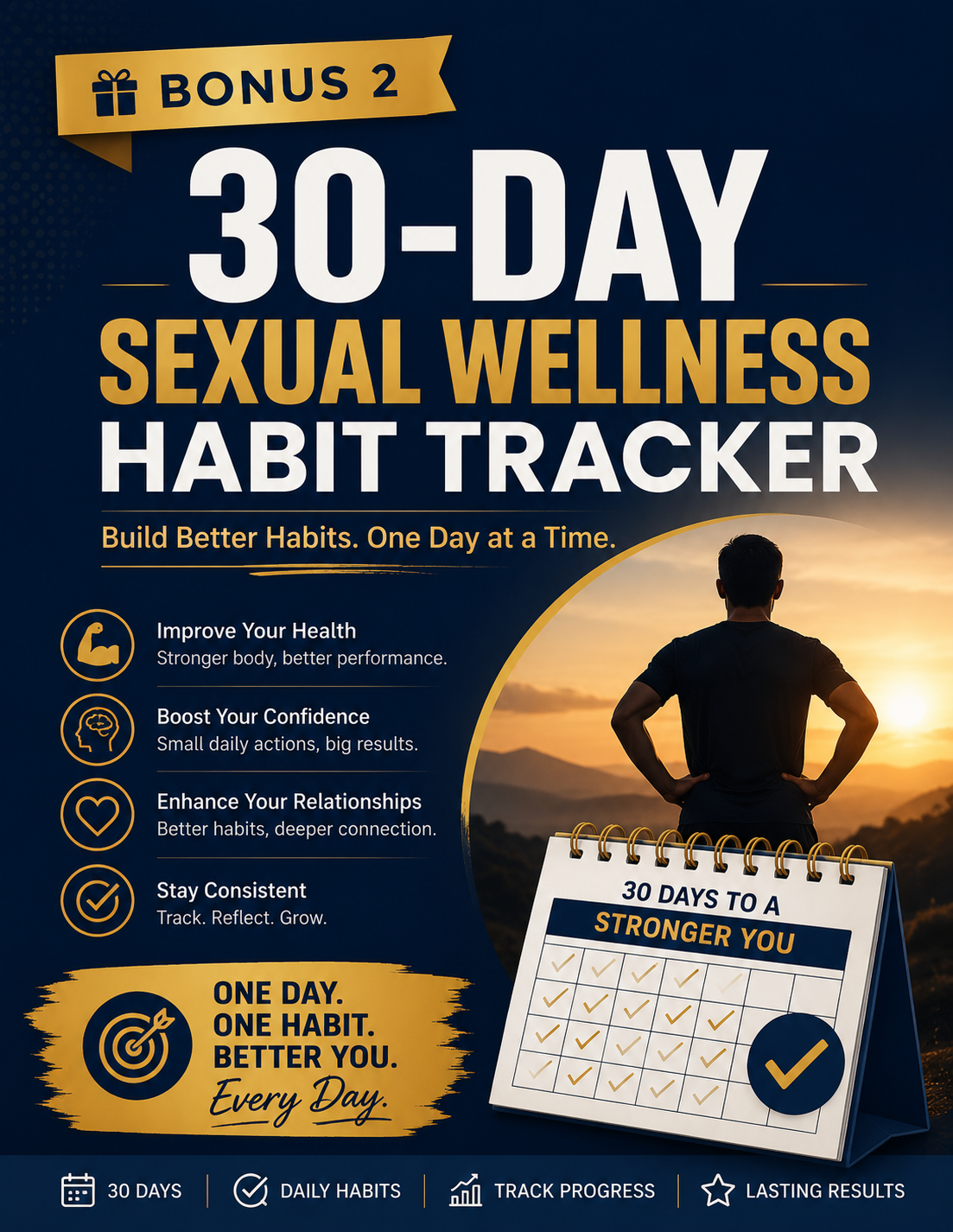
No More Shame: Men’s Guide to Better Sexual Performance
Real Men. Real Experiences
What helped me most was understanding the anxiety loop. I kept thinking I needed one strong product, but na pressure dey make everything worse.
The guide no promise magic, and that is why I trusted it. It gave me direction instead of confusion.
I appreciated the balanced tone. It helped me stop catastrophising and reminded me not to ignore the medical side.
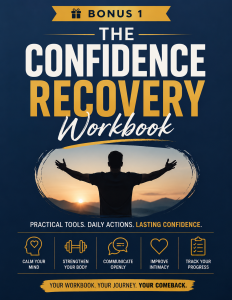
The workbook prompts made it easier to explain what I was feeling without blaming myself or my partner.
Simple English, no unnecessary grammar. This one no be hype.
Share Your Experience